Software Tshirt Graphics & T-Shirt Designs Bundle Review
When I first opened the Software Tshirt Illustrations Bundle, I immediately recognized the niche it speaks to. This is not a generic quote collection slapped onto generic shapes. The mood is playful yet precise, with a clear nod to developer culture—curly braces, semicolons, terminal prompts, and inside jokes that only a coder would catch. The visual personality leans bold and modern, with a slightly nerdy edge that feels authentic rather than forced. For sellers targeting the programmer gift market, this is a direction that converts well because the buyer feels seen. The audience here is specific: software engineers, computer science students, coding bootcamp graduates, remote developers, and anyone who spends their days in an IDE. These are people who appreciate clean typography, clever wordplay, and designs that signal identity without shouting.
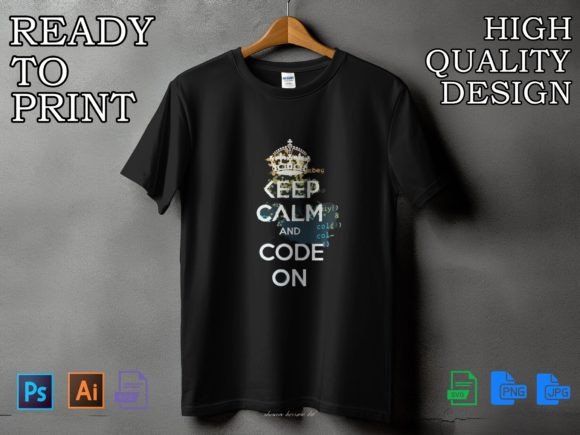
From a product development perspective, the Software Tshirt Illustrations Bundle lands in a sweet spot between commercial appeal and niche specificity. It is broad enough to build a full merchandise line around, yet focused enough that a shop can brand itself as the go-to destination for programmer-themed apparel and gifts. The designs carry a premium feel when rendered on product mockups, especially on dark backgrounds where the vector lines stay crisp and legible. For anyone running a print-on-demand store or stocking a creative marketplace like Etsy or Creative Fabrica, this bundle solves a real problem: finding cohesive graphic design assets that don't require heavy rework before they are listing-ready.
First Impressions and Unboxing the Files
Opening the bundle folder, the file organization was clean. Vector formats dominated, which is exactly what I want when I plan to scale a design across t-shirts, hoodies, mugs, and tote bags. The SVG design files opened smoothly in Illustrator and Affinity Designer, with intact layers and no broken paths. For Cricut users and Silhouette crafters, this matters enormously—nothing derails a cutting project faster than a file full of open paths and stray nodes. The PNG design exports were high resolution with true transparency, which let me drop them directly onto colored backgrounds without ugly halos. I tested a few clipart-style elements on a 4500-pixel canvas for a sublimation design tumbler wrap, and the edges held up without pixelation. That level of detail signals that the creator understood the needs of digital product sellers who work across multiple output formats.
The typography treatment across the bundle leans into monospace and clean sans-serif styles, which fits the coding theme perfectly. When I paired the designs with a serif font for a graduation card mockup, the contrast felt intentional. With a script font, the designs took on a more handmade, personal feel that could work for framed prints in a home office. This versatility is not always present in niche bundles, so it is worth noting. The assets are not locked into one rigid aesthetic—they can flex depending on the font pairings and product context you choose.
Testing Across Product Types for Online Selling
Before I publish any listing, I run a new digital product through a battery of real-world tests. The Software Tshirt Illustrations Bundle was no exception. I mocked up a t-shirt design on a Bella Canvas 3001 tee using Placeit, and the graphic sat naturally on the chest area without looking oversized or cramped. On a hoodie mockup, the same design scaled well to a larger print area, maintaining enough negative space to feel balanced. For mug design tests, I found the simpler illustrations worked best—overly detailed terminal-style graphics felt cluttered on an 11-ounce mug, but the minimalist code snippets and single-line jokes looked sharp and instantly readable. That is an important distinction: not every file in the bundle suits every product size, and smart curation is what separates a professional listing from a rushed one.
Beyond apparel, I experimented with printable design applications. Several illustrations adapted beautifully into greeting cards for tech-savvy friends, especially when layered over a subtle grid-pattern background. I built a quick Canva template for a "debugging survival kit" gift tag, and the vector elements imported cleanly into Canva's upload panel. For sellers building design bundles to sell as digital downloads, the assets could anchor a programmer-themed planner sticker sheet or a set of laptop decals. The sticker design potential here is strong, provided you test the cut lines carefully on intricate code brackets and punctuation marks. I would recommend offsetting the path slightly for kiss-cut sticker sheets to avoid tearing during weeding.
Mockup Testing and Thumbnail Strategy
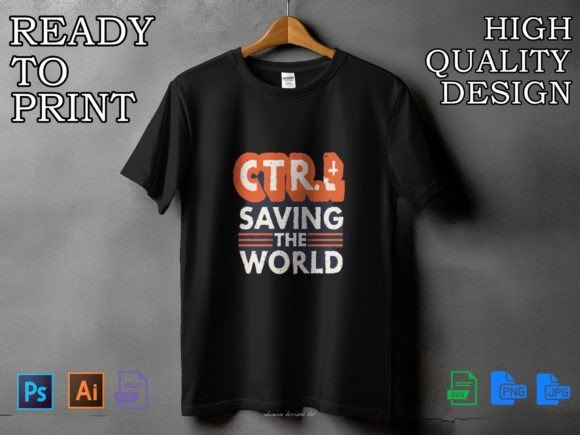
Your product mockup is often the only chance you get to convince a browser to click. I tested the designs from this bundle across white mockups, dark mockups, and lifestyle settings. On white backgrounds, the vector art popped with high contrast, making the thumbnail scream for attention in a crowded Etsy search result. On dark heather gray shirts, the designs took on a moodier, more premium look that I suspect would appeal to the developer gift buyer who wants something subtle enough for office wear but clever enough to spark conversation. For a product listing image, I placed a single design on three mockup angles—flat lay, close-up, and worn—and the visual continuity held together well.
For sellers who rely on social media graphics to drive traffic, these illustrations perform well in square and vertical formats. A "code, coffee, repeat" design translated seamlessly into a Pinterest pin with a soft background overlay. I also tested a few files as social media templates for a fictional coding bootcamp promotion, and the assets gave the posts a cohesive visual thread without needing additional design assets. If you are building brand identity around tech education or developer lifestyle content, this bundle offers enough variety to sustain weeks of content without repetition.
Where the Bundle Performs Best
After a week of testing, I can confidently say the Software Tshirt Illustrations Bundle excels in several high-value use cases. Merchandise graphics for print-on-demand stores are the most obvious fit—apparel, tote bags, and caps all benefit from the clean vector output. Digital downloads for creative marketplaces also rank high, especially if you package the designs into themed mini-bundles or layer them with complementary fonts and textures. The graphic design asset quality supports packaging design for small coding-related physical products, like sticker packs, enamel pin backing cards, or thank-you inserts. For small business branding, a freelance developer or tech coach could use select illustrations in their client-facing materials to signal personality without sacrificing professionalism.
Another strong application is decorative layouts for printable products. Poster designs, desk art, and motivational wall prints for tech offices all work well when the illustrations anchor the composition. The bundle's visual hierarchy is strong enough that you can place a design element at the top, pair it with a supporting quote, and the piece feels intentionally designed rather than assembled from disparate parts. For handmade business owners who sell at craft fairs or tech conferences, these files could quickly become a bestseller in the form of iron-on patches or framed mini prints.
Using the Designs with Caution
No bundle is without limitations, and calling them out honestly prevents returns and disappointed customers. The more intricate designs in the Software Tshirt Illustrations Bundle can overwhelm tiny sticker details—delicate brackets, small punctuation marks, and thin stroke lines may not weed cleanly at sizes under two inches. If you are creating Cricut projects for sale, test cut a single design on your material before committing to a full sticker sheet production run. For sublimation design applications on low-quality blanks, the thinner lines may lose definition during pressing, so always test on your specific substrate. I also noticed that some designs rely on subtle gray tones that lose contrast on dark backgrounds unless you manually adjust the color values. Before listing, check every design against both white and dark product mockups to ensure readability.
For text-heavy templates—like invitation templates or multi-line quote graphics—the illustrations should play a supporting role, not compete for attention. Placing a complex terminal graphic behind six lines of script font creates visual noise that weakens the product. Use the simpler, more iconic illustrations as focal points, and let the detailed ones breathe in larger formats like framed prints or hoodie backs. When building a commercial design collection from this bundle, curate ruthlessly. Not every file needs to make it into every product; group them by complexity and assign each group to the product type where it shines.
Practical Seller Notes Before You Publish
If you plan to sell finished products using the Software Tshirt Illustrations Bundle, confirm your commercial license coverage before printing a single unit. Most bundles intended for Etsy product creation include a standard commercial license, but read the terms carefully—some restrict usage on third-party print-on-demand platforms or limit the number of end products sold. Organize your customer-facing files clearly: rename layers, group elements logically, and include a simple PNG preview sheet so buyers know what they are getting. A well-organized ZIP file reduces support messages and increases positive reviews.
Test print colors on your specific printer or print provider. What looks vibrant on screen can shift subtly on cotton versus polyester. I printed a sample design on a cotton tee through a direct-to-garment provider and found the navy tones printed slightly darker than expected, which actually enhanced the readability. On a poly-blend sublimation print, the same design looked slightly softer, which worked well for a vintage-style hoodie. Knowing these quirks lets you write accurate product descriptions and set realistic buyer expectations. For print-on-demand sellers, order a physical sample of your bestseller design before scaling ad spend—this protects your shop from quality complaints that can tank a listing's momentum overnight.
Pairing Options and Design Flexibility
One of the most valuable tests I run on any design bundle is font pairing. The Software Tshirt Illustrations Bundle plays well with multiple font categories. A crisp sans serif font keeps the coding aesthetic intact for apparel. A handwritten font softens the tech vibe for greeting cards and gift tags. A display font with bold slab serifs transforms the simplest code snippet into a statement poster. This flexibility means you can repurpose the same core illustration across entirely different product lines—a single curly-brace design could anchor a minimalist t-shirt, a cheeky coffee mug, and a typographic wall art piece simply by changing the accompanying font and layout structure. For sellers who want to maximize return on a single asset purchase, that kind of range is exactly what makes a graphic design asset worth the investment.
For Canva template sellers, these illustrations import cleanly and maintain their editability. I tested a few in Canva's free version and could recolor them without issues, which is essential when customers expect to customize templates with their own brand colors. If you build editable templates for brand identity kits or social media bundles, including a few exclusive designs from a cohesive set like this adds perceived value without bloating your production time. The key is to use the designs as structural anchors—place one bold illustration per template, and let the surrounding whitespace do the heavy lifting for a clean, modern look that appeals to small business branding buyers.