Mama Bunny: A Designer’s Honest Review for Embroidery Projects
Before I commit any design to thread and fabric, I always ask myself one question: Will this actually look good once it’s stitched out? Not on a screen, not in a glossy mockup, but on a real tote bag, a baby onesie, a cap, or a handmade pillow cover that someone will touch, wash, and gift. That is exactly the lens I used when I sat down with Mama Bunny, a charming and versatile graphic that has quickly become one of those quiet workhorses in my craft library.
First Impressions and the Mood Mama Bunny Creates
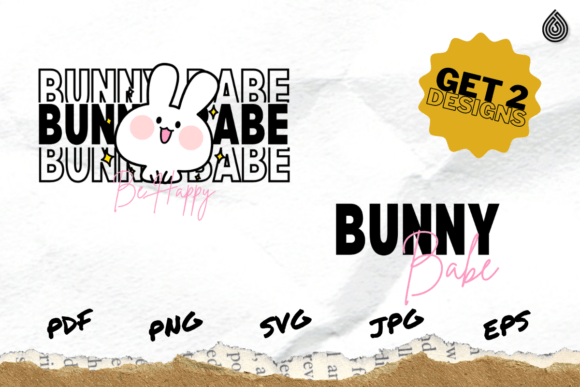
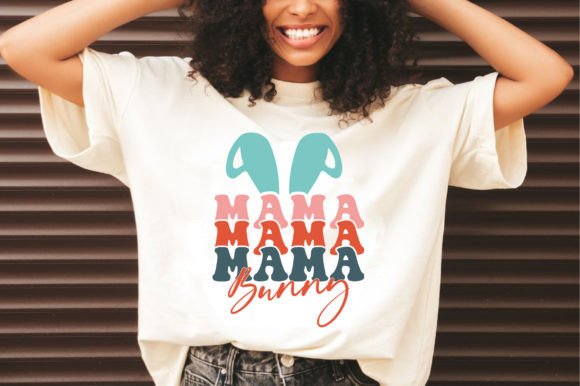
Opening the file, the first thing that struck me about Mama Bunny was its gentle, warm personality. The shape is soft without being overly cutesy. There’s a sense of calm and nurturing in the way the bunny figure is composed, making it immediately clear this design belongs on projects that celebrate family, motherhood, springtime, Easter, or simply cozy handmade charm. The visual personality leans toward storybook illustration rather than cartoon, which gives it broader appeal across age groups and product types.
I could instantly picture it on a baby shower gift, a children’s boutique item, a kitchen towel set for Easter brunch, or even a heartfelt personalized sweatshirt for a new mom. That emotional range is surprisingly hard to find in many T-Shirt Designs, but Mama Bunny carries it effortlessly.
Where Mama Bunny Truly Shines in Real Embroidery Work
Over the years, I’ve learned that not every beautiful Graphic translates well into machine embroidery. Some designs lose their charm when the thread does the talking. With Mama Bunny, I see a design that holds its own. The shape reads clearly even when I mentally reduce it to a single-color stitch scenario, which is a strong indicator of good embroidery potential. The layout is balanced, with no awkward negative space that would make hooping feel off-center or unbalanced on a finished product.
In real-life embroidery situations, here’s where I would place Mama Bunny without hesitation:
- Custom apparel – A chest placement on a soft crewneck sweatshirt or a back-center design on a denim jacket feels natural and eye-catching.
- Tote bags – Linen or canvas totes with Mama Bunny stitched in muted earth tones would sell beautifully at craft fairs or on Etsy.
- Baby clothes and nursery decor – Onesies, bibs, crib sheets, and small blankets all benefit from this kind of tender, clean imagery.
- Holiday gifts – Easter baskets, Mother’s Day presents, springtime kitchen towels, and personalized aprons all match the design’s mood.
- Embroidered patches – With the right stitch edge finish, this could become a lovely iron-on or sew-on patch for jackets, backpacks, or quilts.
- Small shop merchandise – Boutiques selling handmade baby gifts, organic cotton apparel, or farmhouse-style décor would find Mama Bunny a strong brand-consistent addition.
The Commercial Appeal Creative Entrepreneurs Should Notice
If you’re an Etsy seller, a craft business owner, or someone building a handmade brand, you already know that customer trust is built on visual consistency. When a buyer scrolls through listings, they make split-second decisions about quality based on how a design looks on a finished product. Mama Bunny delivers that instant recognition of quality. It looks intentional, not like an afterthought.
I can easily imagine a cohesive product line built around this single design: a matching toddler tee, a mom’s tote, a baby swaddle blanket, and a wooden nursery sign all featuring Mama Bunny. The design becomes a brand anchor, not just a one-off decoration. That level of versatility is exactly what I look for when deciding whether a Graphic file will pay for itself many times over in my shop.
Practical Considerations Before You Stitch
Now, let’s get into the practical embroidery designer notes, because this is where so many makers stumble. No matter how lovely a design appears in a mockup, the stitch-out is the moment of truth.
Fabric and Stabilizer Decisions Matter Deeply
Mama Bunny’s soft, flowing shape means you need to think carefully about fabric texture and stabilizer choice. On thin or stretchy fabrics like jersey knit, a good cut-away stabilizer is non-negotiable. Without proper backing, the satin stitches could pucker, and the gentle curves will lose their crispness. I’d strongly recommend testing on a scrap piece of the exact fabric blend you plan to sell, especially if you’re considering onesies or lightweight t-shirts.
On textured fabrics like waffle weave towels or thick canvas totes, a topper stabilizer helps keep the stitches from sinking into the fabric grain. I’ve ruined enough tea towels over the years to know that skipping this step is never worth the few seconds it saves.
Thread Color Contrast and Darkness Challenges
One practical test I always run is checking how a design behaves on both light and dark backgrounds. Mama Bunny, with its likely delicate detailing, might need adjusted thread color contrast on darker fabrics. A soft pastel palette that looks ethereal on cream linen could become washed out on charcoal or navy. If you plan to offer this on black sweatshirts or dark denim, test your thread choices against the fabric before committing to a production run.
I also recommend converting the design mentally to a black-and-white thumbnail. If the core shape still reads clearly, you have a strong design. From what I see with Mama Bunny, the silhouette holds up well, which means it will be recognizable even at a distance or on small products like baby bibs or cap fronts.
Hoop Size and Small-Space Challenges
One area where you should proceed carefully is small hoop sizes. If you’re embroidering on tiny surfaces like baby socks, cap side panels, or narrow apron straps, check whether the design’s internal details remain clear. Smaller stitch areas can cause fine lines to close up or become muddied, especially in fill-stitch sections. Always confirm the stitch density and hoop size requirements before running Mama Bunny on compact items.
Where You Should Use Caution With This Design
Not every product category is a good home for Mama Bunny, and a smart designer knows where to draw the line. I would be cautious about placing this design on heavily curved surfaces like structured baseball caps, unless you test the positioning carefully. The design’s balanced, centered composition could warp awkwardly on a cap’s crown if the hoop isn’t aligned perfectly.
Layered garments like zip-up hoodies with thick seams also pose a challenge. The embroidery foot can catch on uneven surfaces, shifting the design mid-stitch. For those kinds of projects, flatten the area as much as possible and consider using an adhesive stabilizer to keep everything locked in place.
Additionally, products that need frequent machine washing and drying, such as everyday kitchen towels or children’s play clothes, will test the durability of any embroidery file. I always advise a few wash cycles on a test sample before offering guarantees to customers. Mama Bunny’s gentle charm should be preserved, not worn away by time.
How Mama Bunny Elevates Giftability and Customer Engagement
One thing I’ve noticed after years of selling handmade goods is that gift buyers are emotionally driven. They want something that feels personal, thoughtful, and unique. Mama Bunny hits that sweet spot. It’s not generic clip art; it has a distinct personality that makes a finished product feel curated. Whether it’s stitched onto a plush robe for a mom-to-be or featured on a set of handmade cloth napkins for a spring gathering, the design adds perceived value that customers are willing to pay for.
This emotional resonance translates directly into better reviews, repeat purchases, and word-of-mouth referrals. A baby shower guest sees that beautifully embroidered bunny onesie, asks where it came from, and suddenly you have a new customer. That’s the kind of organic growth that strong, thoughtful design assets like Mama Bunny can drive.
Licensing, Mockups, and Professionalism for Digital Sellers
If you’re selling digital embroidery files or using Mama Bunny in printable mockups and design previews, double-check your licensing terms. The provided file package mentions PNG high resolution 300 DPI along with EPS, SVG, and DXF formats, which suggests flexibility for both print and cut applications. But for embroidery use, confirm whether additional conversion or digitizing is expected on your end. Many designers will purchase a Graphic like this and then work with digitizing software to create the actual machine embroidery design file.
The high-resolution PNG is fantastic for creating clean mockup images for Etsy listings, social media previews, and printed lookbooks. The fully editable vector files let you adjust colors, scale, and small details to match your brand palette. For craft business owners who want to maintain a consistent visual identity across their shop, that editability is gold.
Testing Workflow That Protects Your Reputation
Before any Mama Bunny project reaches a customer’s hands, I follow a simple but strict testing protocol that every embroidery designer should adopt:
- Stitch out on scrap fabric first, using the exact stabilizer and thread types intended for the final product.
- Test on both light and dark backgrounds to evaluate contrast and readability.
- Wash the test sample at least twice to check thread integrity, colorfastness, and overall durability.
- Inspect small details under good lighting and at arm’s length to mimic how a customer will actually view the product.
- Confirm hoop size compatibility and note any adjustments needed for small or irregular surfaces.
This workflow might seem tedious, but it protects your brand reputation and prevents costly remakes. A disappointed customer remembers a failed embroidery far longer than a smooth transaction. Mama Bunny deserves to shine at its best, and careful testing ensures that happens every single time.
Final Practical Verdict From a Seasoned Designer
After spending time evaluating Mama Bunny from every angle a working embroiderer needs to consider, I can say this is a genuinely useful design asset for a wide range of handmade and commercial projects. It brings warmth, recognizable charm, and broad audience appeal without falling into trends that will date quickly. The shape is clean enough for embroidery translation, the mood is marketable, and the versatility across apparel, home décor, gifts, and baby items makes it a smart addition to any craft business library.
For T-Shirt Designs and beyond, Mama Bunny offers that rare combination of emotional connection and practical usability. Whether you’re stitching a single custom tote for a friend or producing a boutique collection for spring sales, this is the kind of design that makes your work look polished, intentional, and memorable. Test it carefully, choose your fabrics and threads thoughtfully, and let Mama Bunny become a quiet staple in your embroidery projects this season.